Changelog
Simplified OAuth setup
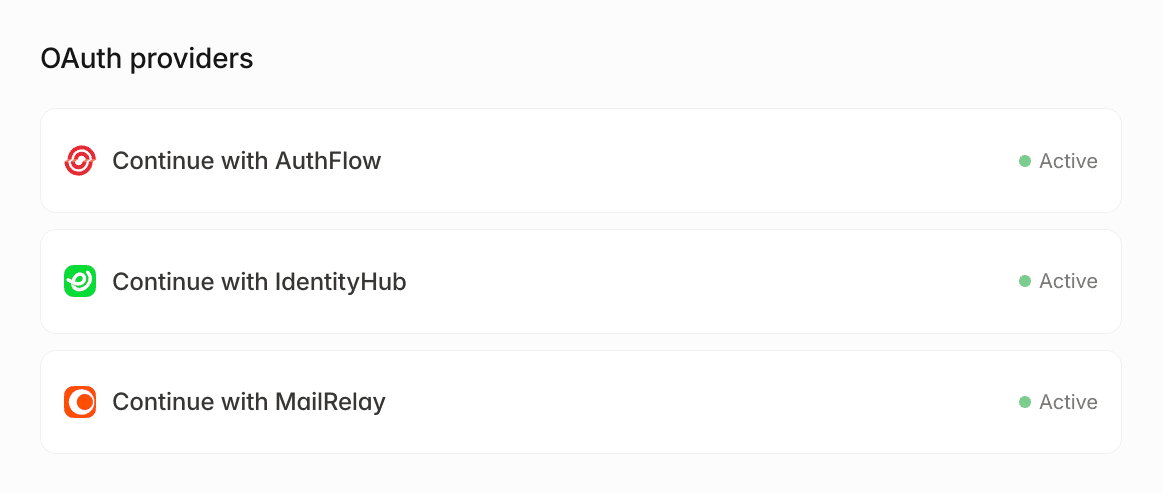
Configure OAuth providers directly from your dashboard with zero code changes. Add or remove authentication providers with a single toggle. The unified interface manages all provider credentials, callback URLs, and scope configurations in one place.
Flexible authentication
Support for multiple OAuth providers gives users flexibility in how they authenticate. Each provider can be enabled independently, letting you roll out new authentication methods gradually. Configure custom branding and messaging for each provider's login flow.
Seamless migration
Automatic user account linking merges profiles when users authenticate with different providers using the same email. Migration tools help move existing users to OAuth-based authentication smoothly. Monitor authentication method usage to understand how your users prefer to log in.
Webhook event filtering
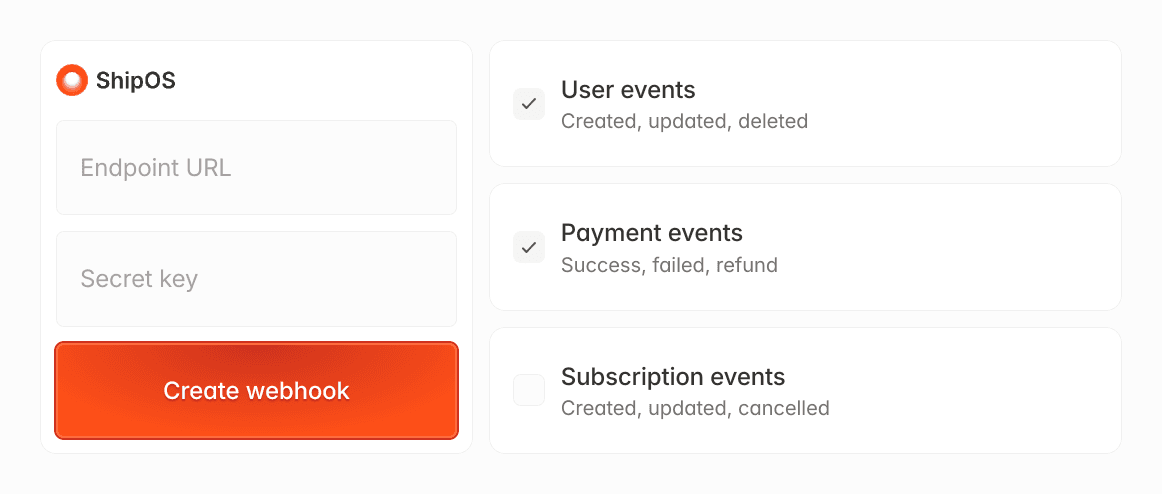
Configure exactly which events trigger webhooks with granular event filtering. Select from user events, payment events, subscription changes, and more. Each webhook endpoint can listen to different event types, giving you complete control over your integration architecture.
Flexible configuration
Create multiple webhook endpoints for different services or environments. Test webhooks with our built-in simulator before going live. Configure custom retry policies and timeout settings per endpoint to match your infrastructure requirements.
Secure & reliable
Secret key generation and automatic signature verification ensure webhook authenticity. Monitor delivery success rates and debug failed deliveries with detailed error logs and suggested fixes.
Interactive SDK documentation
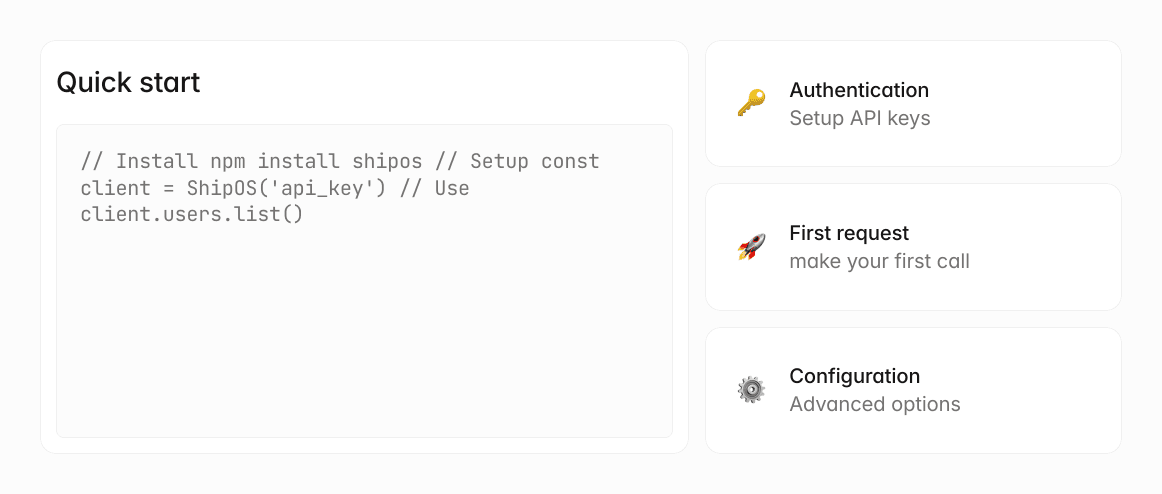
New interactive documentation helps you integrate ShipOS SDKs faster. Step-by-step guides walk you through authentication, making your first request, and configuring advanced options. Code examples automatically update based on your selected language and framework.
Framework integration
Quick start templates get you running in under 5 minutes. Copy-paste ready code snippets include your actual API keys (with proper security warnings). Framework-specific guides for Next.js, Django, and Express.js show best practices and optimal configurations.
Comprehensive resources
The new guide system includes common troubleshooting scenarios with solutions, error handling patterns, and performance optimization tips. Search across all guides to find exactly what you need.
Performance optimization
Major infrastructure upgrades deliver 45% faster response times across all API endpoints. Edge caching now serves frequently requested data from 15 regional data centers, reducing latency for users worldwide.
Database & caching
Query optimization cuts database response times in half for complex operations. Intelligent caching reduces unnecessary API calls by up to 60% while ensuring data freshness through automatic cache invalidation.
Memory usage optimized across all services, reducing infrastructure costs by 30% while maintaining performance. Automatic scaling responds to traffic spikes within seconds.
Per-workspace billing
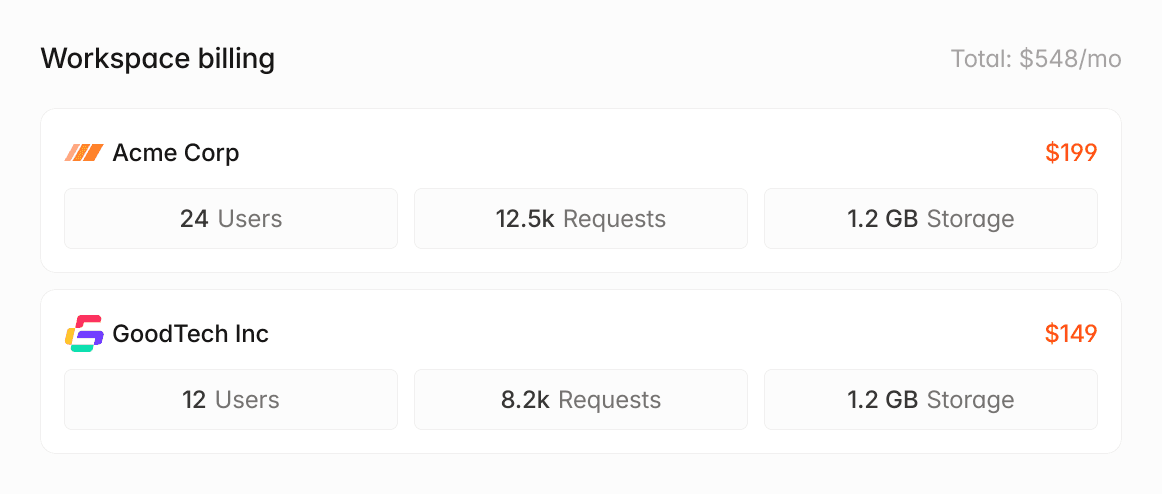
Bill each workspace independently with flexible per-workspace pricing. Every workspace tracks its own usage for users, API requests, and storage. Consolidated invoicing shows a breakdown by workspace, making cost allocation and chargeback simple for teams and agencies.
Usage-based pricing
Workspace owners can upgrade or downgrade their individual plans without affecting other workspaces. Set spending limits per workspace to prevent unexpected charges. Usage alerts notify workspace admins when approaching plan limits.
Enterprise controls
Enterprise customers can apply custom pricing to specific workspaces while maintaining standard pricing for others. Export billing data per workspace for accounting and budget tracking purposes.
Enhanced API logging
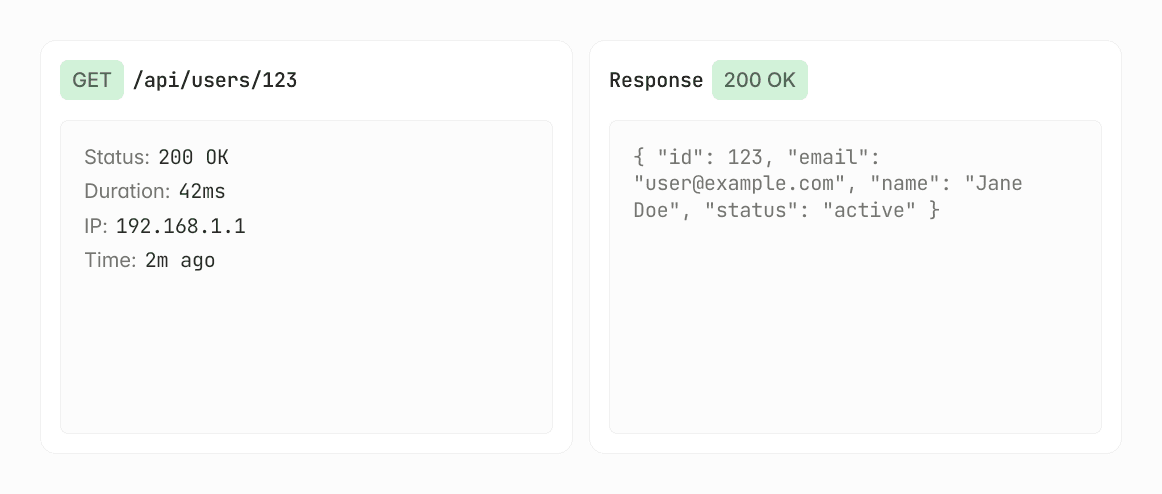
API logs now capture complete request and response data for better debugging. View full request details including status codes, response times, IP addresses, and timestamps in a clean interface. JSON responses are formatted automatically for easy reading.
Complete request history
Search through historical logs with powerful filtering by endpoint, status code, or time range. Export logs for compliance auditing or share specific requests with your team. Request details are retained for 90 days across all plans, with custom retention available for enterprise customers.
Real-time monitoring
Real-time log streaming lets you monitor API activity as it happens, making it easier to identify and resolve issues before they impact users.